The Pilgrim Way
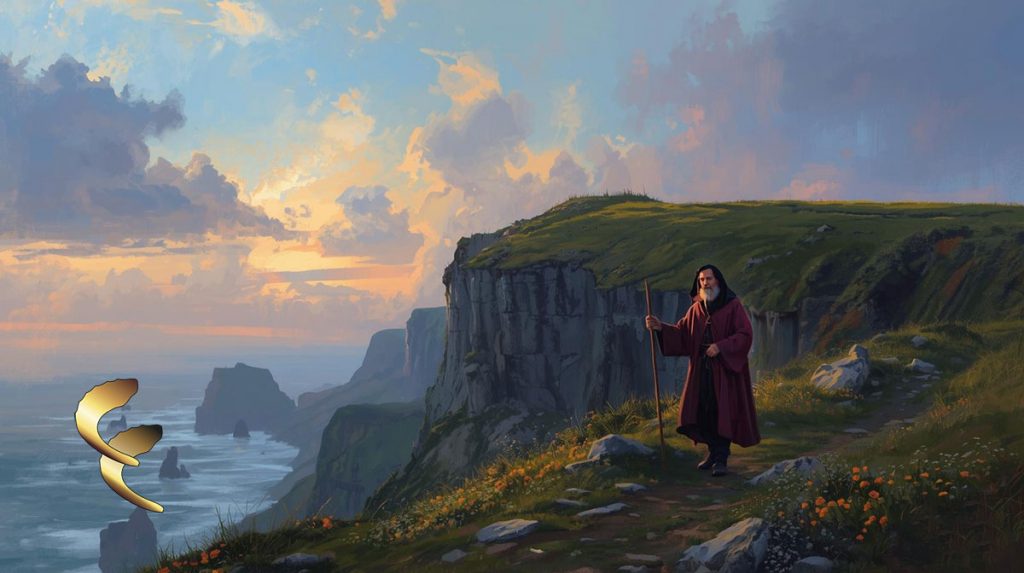
Living in Cornwall for the last twenty years, I have often felt deeply blessed to live in a minority nation resonating with Christian legend and lore. There is something ancient and sacred woven into this landscape that can still be discovered if one only knew how—the primeval breathing of pilgrimage. Far from the rhetoric of political reinvention and manifesto failures, the air seems to thin from the saturated transmissions of man’s insatiable craving to be heard and entertained. Here, the noise of empire slowly retreats when the silence of God is welcomed.
For the past few days, Jo and I have been walking the Cornish Celtic Way, an ancient pilgrimage route that celebrates a rich legacy of Christianity deeply imbued with the rhythms of creation. It was forged on the fringes of society, long before the imposition of a more codified variation of our faith advanced from Rome. Every mile trod, every hill ascended, and every vista from windswept clifftops beheld, we have had ample opportunity for prayer, reflection, and silence.
There is an overwhelming sense of the presence of God upon the edge. The Celtic Christians called them “Thin Places” because, in these locations, they believed the veil between the seen and unseen dissolved, and the Divine became intimately relatable and tangible. It is why they were drawn to islands, rugged coastlines, lonely moors, caverns, and remote places. Yet for them, this was never escapism. Such extremities were not a stepping away from the world so much as a stepping toward God. They were not backwaters, but frontiers of encounter. The wilderness has always been a meeting place between Heaven and earth. Moses encountered God in the desert. Elijah heard His whisper in the cave. John the Baptist found his prophetic voice in the wilderness.
The soul hears most clearly when other noises fade, and silence becomes the threshold through which the temporal and eternal can meet.
As I walk this trail, I am struck by this truth: pilgrimage is not the sole privilege of travellers upon remote coastlines or saints hidden within the desert, but an intrinsic element of our relationship with God. Whilst Thin Places may be encountered in nature’s beauty, ultimately they encourage the pursuit of God within the heart wherever we may be. For The Pilgrim Way is more than a geographical pathway it is the inward orientation of the soul towards it’s Maker.
May 13, 2025
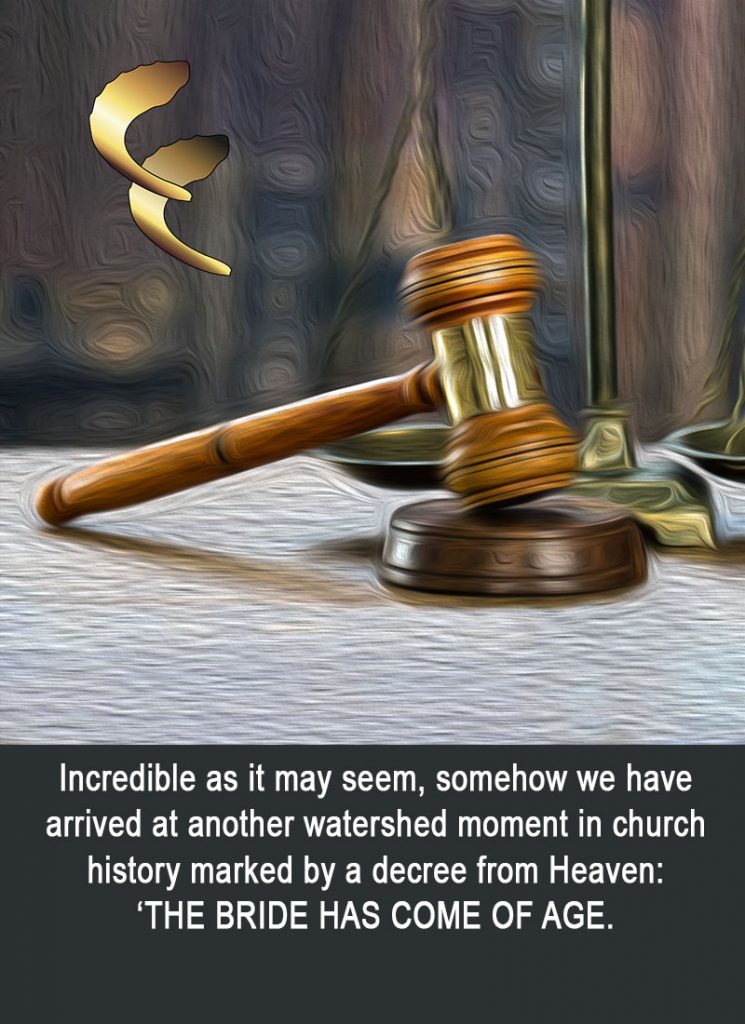
The Bride Has Come of Age (Part 1)
Introduction Anyone who looks into Church history will soon discover how incredibly complex and multi-faceted it is. Yet the astute disciple will readily notice…
Read more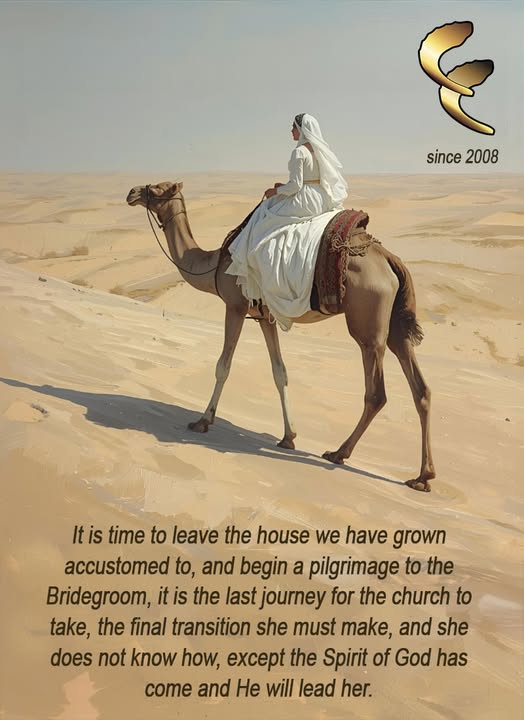
October 30, 2025
The Final Journey
There is a radical shift coming to the body of Christ. It will be like a sword that will separate out the real from…
Read more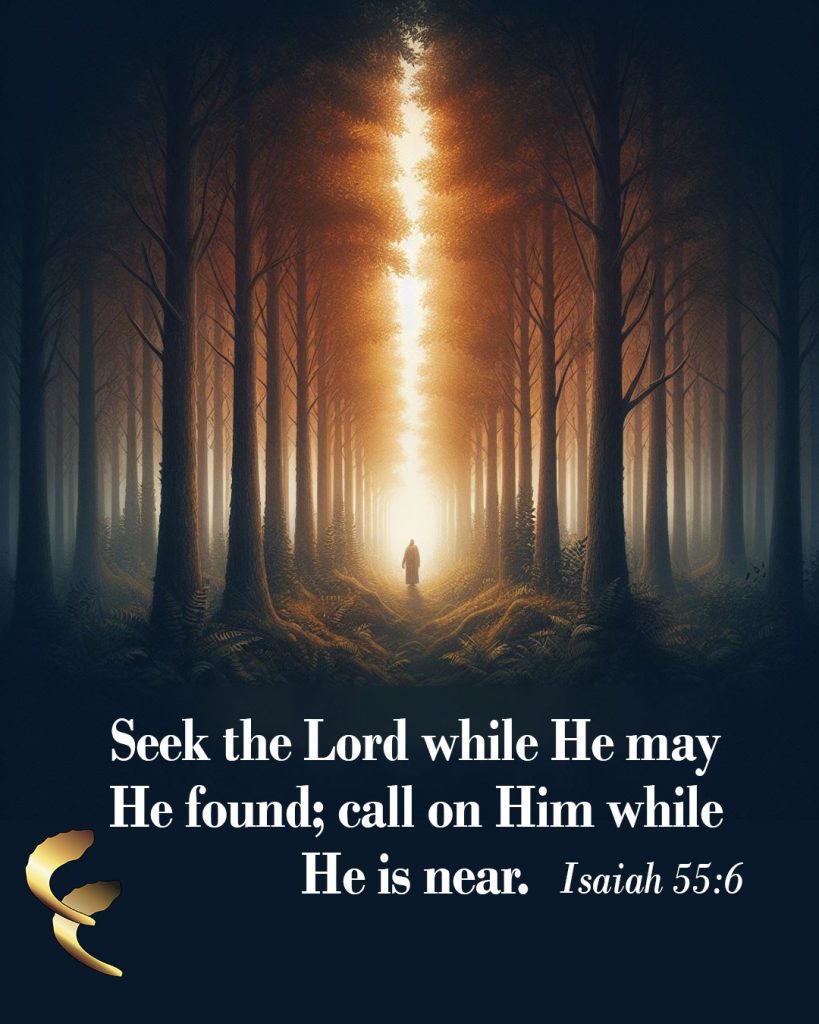
February 10, 2024
Seek the Lord While He May be Found
“Seek the Lord while he may be found; call on him while he is near.” Isaiah 55:6 (NIV) In the hustle and bustle of…
Read more
February 24, 2025
Knowing God
Introduction The importance of knowing the God of Scripture far outweighs merely knowing scriptures about God. More than a collection of sacred texts, the…
Read more